Deutsch
 English
 français
 русский
 español
 português
 日本語
日本語 한국의
한국의 العربية
 中文
中文
RF-over-Fiber-Lösungen sollten anhand der tatsächlichen Systemanforderungen und nicht allein anhand einzelner Spezifikationen ausgewählt werden. Frequenzbereich, Übertragungsdistanz und HF-Leistung tragen alle zur Gesamtstabilität der Verbindung bei. Eine gut konzipierte Lösung RFoF-System nutzt optimierte optische Bauelemente und HF-Schaltungen, um die Linearität zu erhalten und Verzerrungen zu minimieren, wodurch eine zuverlässige HF-Übertragung über Glasfaser gewährleistet wird.
RF over Fiber (RFoF) ermöglicht die Übertragung hochwertiger HF-Signale über große Entfernungen mit minimalen Verlusten und hoher Immunität gegenüber Störungen.
GPON- und XGS-PON-Netzwerke können parallel zu RFoF-Verbindungen betrieben werden und unterstützen sowohl Breitbanddaten als auch HF-Dienste auf derselben Glasfaserinfrastruktur.
Wichtige Leistungskennzahlen wie Linearität, Rauschzahl und Frequenzgang sind für eine erfolgreiche Integration entscheidend.
Eine geeignete RFoF-Gestaltung hilft Betreibern, die betriebliche Komplexität zu reduzieren und gleichzeitig die Servicekapazitäten zu erweitern.
Passive optische Netze (PON), darunter GPON und XGS-PON, werden häufig als Zugangstechnologien zur Bereitstellung von Breitbanddiensten für Privat- und Geschäftskunden eingesetzt. GPON bietet eine hohe Downstream-Kapazität, während XGS-PON eine symmetrische Leistung von 10 Gbit/s ermöglicht und somit bandbreitenintensive und upstream-intensive Anwendungen unterstützt.
Mit der Weiterentwicklung der Zugangsnetze müssen die Betreiber zunehmend nicht nur digitale Daten, sondern auch Hochfrequenzsignale (HF-Signale)Anwendungen wie Videoübertragung, RF-Overlay-Dienste oder Funkübertragung für entfernte Standorte sind Beispiele hierfür. Die herkömmliche Koaxialübertragung über große Entfernungen leidet unter hoher Dämpfung, Anfälligkeit für elektromagnetische Störungen und erhöhten Wartungskosten.
RF over Fiber (RFoF) begegnet diesen Herausforderungen durch die Umwandlung von HF-Signalen in optische Signale. Dadurch können diese mit sehr geringen Verlusten und hoher Signalintegrität über Glasfaser übertragen werden. Integriert in GPON- oder XGS-PON-Netze ermöglicht RFoF die gleichzeitige Nutzung von HF-Diensten und Breitbanddaten ohne Beeinträchtigung der Netzwerkleistung.
Für eine effektive Integration von RFoF ist es wichtig, die Betriebsumgebung von GPON- und XGS-PON-Netzen zu verstehen:
Beide Technologien basieren auf einem gemeinsamen optischen Verteilnetz (ODN), das aus Singlemode-Fasern und passiven Splittern besteht. Diese gemeinsame Infrastruktur ermöglicht es, durch sorgfältige Wellenlängenplanung und Leistungsmanagement RFoF-Verbindungen parallel zu PON-Diensten einzuführen.
Bei der Integration von RF over Fiber in GPON- oder XGS-PON-Systeme sollten mehrere wichtige Leistungskennzahlen frühzeitig in der Entwurfsphase bewertet werden.
Linearitäts- und Intermodulationsverhalten
Die Linearität bestimmt, wie genau HF-Signale ohne Verzerrungsprodukte übertragen werden. Eine hohe Linearität ist besonders wichtig in Mehrträger- oder Breitband-HF-Systemen, da Intermodulationsverzerrungen die Gesamtsignalqualität beeinträchtigen können.
Rauschzahl und Signal-Rausch-Verhältnis
Das Rauschmaß beeinflusst direkt das Signal-Rausch-Verhältnis am Empfänger. Ein niedriges Rauschmaß trägt dazu bei, schwache HF-Signale nach optischer Übertragung und Wandlung zu erhalten, was für die Aufrechterhaltung der Dienstqualität in analogen oder HF-empfindlichen Anwendungen unerlässlich ist.
Frequenzgang und Verstärkungslinearität
Eine gleichmäßige Verstärkung über das gesamte Betriebsfrequenzband gewährleistet die gleichmäßige Übertragung aller HF-Kanäle. Eine unzureichende Frequenzlinearität kann zu Pegelschwankungen oder ungleichmäßigen Kanalpegeln führen und somit die Leistung in bestimmten Frequenzbereichen beeinträchtigen.
Optisches Leistungsbudget und Wellenlängenplanung
Da RFoF-Verbindungen die Glasfaser mit PON-Diensten teilen können, müssen bei der Berechnung der optischen Leistung Splitter- und Steckerverluste sowie Koexistenzanforderungen berücksichtigt werden. Eine korrekte Wellenlängentrennung gewährleistet, dass RFoF-Signale den Datenverkehr von GPON oder XGS-PON nicht stören.
RF-Video-Overlay auf PON-Netzwerken
Ein gängiges Einsatzszenario ist die Übertragung von Rundfunk- oder Funk-Videodiensten über eine PON-Infrastruktur. In diesem Modell werden Funksignale am Kopfende in optische Signale umgewandelt und zusammen mit den PON-Datenströmen über Glasfaser übertragen. Am Zielort wandeln optische Empfänger die Signale zur lokalen Verteilung wieder in Funksignale um.
Dieser Ansatz ermöglicht es den Betreibern, bestehende Funkdienste aufrechtzuerhalten und gleichzeitig auf glasfaserbasierte Zugangsnetze umzustellen, ohne dass eine umfangreiche Koaxialinfrastruktur erforderlich ist.
Hybride Breitband- und HF-Übertragung
In hybriden Netzwerken, in denen Breitbanddaten, RF-Video und andere RF-Dienste parallel genutzt werden müssen, ermöglicht RFoF eine einheitliche Glasfasertransportschicht. Dies reduziert die Netzwerkkomplexität, senkt die Wartungskosten und verbessert die langfristige Skalierbarkeit durch die Nutzung einer einzigen optischen Infrastruktur.
Definieren Sie klare technische Anforderungen
Vor der Auswahl der Komponenten sollten die Betreiber die Anforderungen klar definieren, wie zum Beispiel:
Klare Spezifikationen verkürzen die Überarbeitungszyklen und vereinfachen die Systemvalidierung.
Komponentenauswahl basierend auf System-KPIs
Bei der Komponentenauswahl sollte der Fokus auf der Systemleistung und nicht allein auf den einzelnen Spezifikationen liegen. Linearität, Rauschzahl, optische Empfindlichkeit und Frequenzgang sollten gemeinsam bewertet werden, um eine stabile Gesamtleistung zu gewährleisten.
Plan für Installation und Wartung
Einfache Installation und Fehlerbehebung sind in Zugangsnetzen von entscheidender Bedeutung. RFoF-Systeme sollten eine unkomplizierte Inbetriebnahme ermöglichen und es den Betreibern erlauben, Leistungsprobleme während des Betriebs effizient zu diagnostizieren.
Die nachstehende Tabelle zeigt ein Beispiel für Leistungsziele, die üblicherweise bei der Bewertung von RFoF-Lösungen für die Integration in PON-Netzwerke berücksichtigt werden.
| Parameter | Typisches Design A | Typisches Design B | Zielbereich |
|---|---|---|---|
| Frequenzbereich | 5 MHz – 6 GHz | 50 MHz – 5 GHz | ≥ 5 GHz |
| Rauschzahl | 6 dB | 8 dB | ≤ 7 dB |
| Linearität (IP3) | +30 dBm | +27 dBm | ≥ +28 dBm |
| Gewinnflachheit | ±1 dB | ±1,8 dB | ±1 dB |
Durch die Integration von RF over Fiber in GPON- und XGS-PON-Netze können Netzbetreiber und Systemintegratoren Folgendes erreichen:
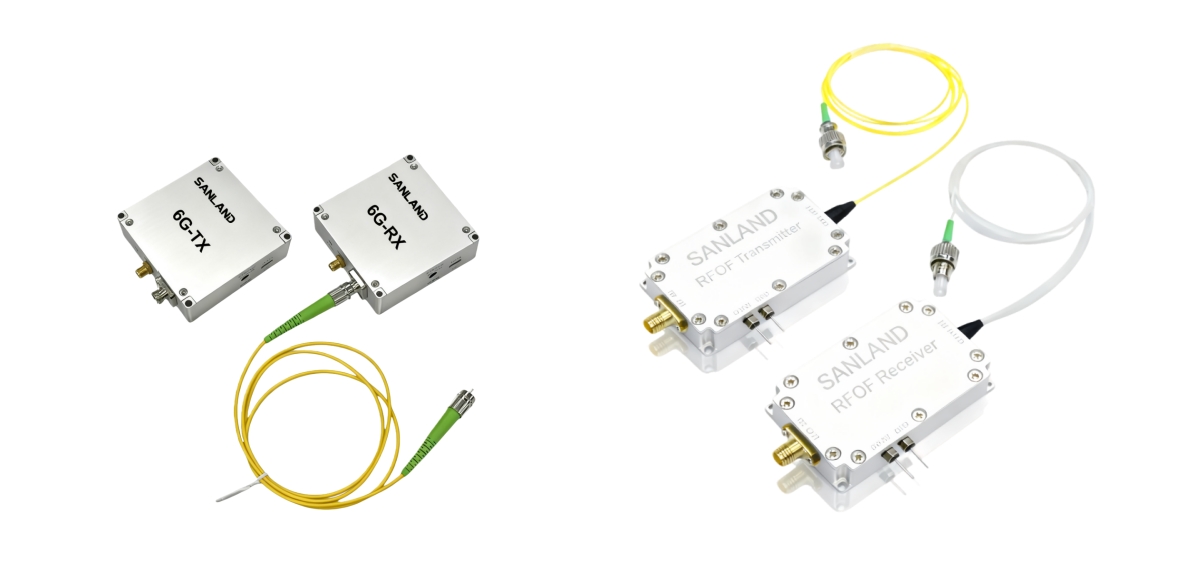
Sie müssen sicherstellen, dass die RF-over-Fiber-Lösung zu Ihrer Anwendung passt.
Zunächst sollten Sie verstehen, woher das HF-Signal kommt und wohin es übertragen werden soll. Überprüfen Sie den erforderlichen Frequenzbereich und die Signalstärke an beiden Enden der Verbindung.
Betrachten Sie als Nächstes die Übertragungsdistanz und die optische Leistungsfähigkeit. Sender und Empfänger der Funkfernsteuerung (RFoF) müssen ausreichend optische Leistung bereitstellen, um Verluste in der Faser, an Splittern und Steckverbindern auszugleichen. Dies trägt dazu bei, schwache Signale zu vermeiden und die HF-Leistung über die Distanz zu erhalten.
Systemkompatibilität ist ebenfalls wichtig. Stellen Sie sicher, dass die RFoF-Lösung mit Ihrer bestehenden Glasfaserinfrastruktur, Ihrem Wellenlängenplan und Ihrer Netzwerkarchitektur kompatibel ist. Bei manchen Implementierungen sind möglicherweise bestimmte Wellenlängen oder Steckertypen erforderlich, um die Koexistenz mit GPON- oder XGS-PON-Datenverkehr zu gewährleisten.
Abschließend ist die HF-Performance als Ganzes zu betrachten. Linearität, Rauschzahl und Frequenzgang sollten den Anwendungsanforderungen entsprechen und nicht isoliert bewertet werden.
Befolgen Sie diese Schritte bei der Auswahl einer RFoF-Lösung:
Tipp: Die Wahl eines RFoF-Moduls, das möglichst genau zur eigentlichen Anwendung passt – anstatt es zu überdimensionieren – kann die Bereitstellung vereinfachen und die langfristige Stabilität verbessern.
Was ist der Hauptzweck von RF over Fiber (RFoF)?
RF over Fiber dient der Übertragung von Hochfrequenzsignalen über Glasfaser. Dabei werden die Hochfrequenzsignale für die Übertragung in optische Signale umgewandelt und am Empfangsende wieder in Hochfrequenzsignale zurückgewandelt. Dies ermöglicht die Übertragung von Hochfrequenzdiensten über große Entfernungen mit geringen Verlusten und hoher Signalstabilität.
Woran erkennen Sie, ob eine RFoF-Lösung zu Ihrem System passt?
Prüfen Sie zunächst die Anforderungen Ihrer Anwendung. Achten Sie dabei auf den HF-Frequenzbereich, die Signalpegel und die erforderliche Übertragungsdistanz. Stellen Sie anschließend sicher, dass der RFoF-Sender und -Empfänger mit Ihrer bestehenden Glasfaserinfrastruktur und Ihrem Wellenlängenplan kompatibel sind.
Kann RFoF zusammen mit GPON oder XGS-PON verwendet werden?
Ja, RFoF kann parallel zu GPON und XGS-PON betrieben werden, sofern eine geeignete Wellenlängentrennung und optische Leistungsplanung gewährleistet sind. Es ist stets sicherzustellen, dass die RFoF-Wellenlänge und -Leistungspegel den PON-Datenverkehr nicht beeinträchtigen.
Was passiert, wenn Sie die falsche RFoF-Lösung wählen?
In einigen Fällen funktioniert die RFoF-Verbindung möglicherweise nicht wie erwartet.
Benötigen RFoF-Systeme eine besondere Wartung?
RFoF-Systeme benötigen in der Regel weniger Wartung als lange Koaxialkabel. Eine fachgerechte Installation, saubere optische Verbindungen und korrekte Leistungspegel sind jedoch weiterhin wichtig für die langfristige Zuverlässigkeit.
Tipp: Die Leistung von RFoF sollte vor der Implementierung stets auf Systemebene und nicht nur anhand einzelner Spezifikationen bewertet werden.



 IPv6-Netzwerk unterstützt
粤ICP备19046464号
IPv6-Netzwerk unterstützt
粤ICP备19046464号